The Other Side: Honest Labor
Now consider a different possibility.
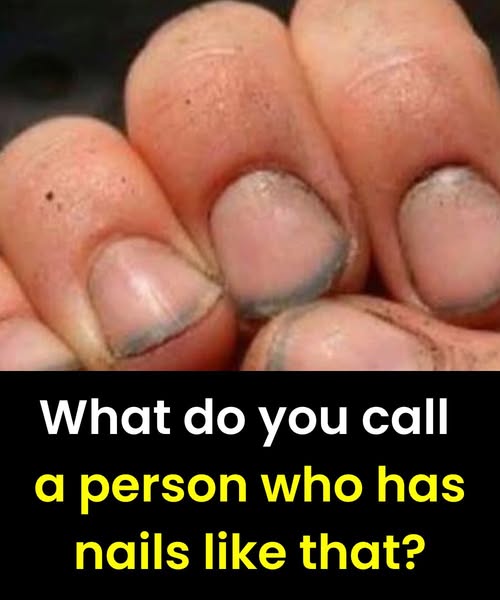
Those nails might belong to a mechanic who has spent hours repairing an engine, reaching into tight spaces coated with grease. They might belong to a gardener who has been turning soil and planting seeds under the sun. They could belong to a construction worker mixing concrete, a farmer harvesting crops, or a painter carefully finishing a wall.
Electricians, plumbers, welders, and carpenters often work with materials that cling to the skin. Soil, oil, dust, and paint can settle under fingernails and resist removal, even after thorough washing.
In many forms of manual labor, dirt is part of the process. It is not a flaw in character. It is a visible sign that work has been done.
For someone who spends the day building, repairing, planting, or maintaining essential systems, clean hands at every moment are not always realistic. The dirt may reflect productivity rather than carelessness.
In that context, darkened nails represent effort, responsibility, and contribution.
Context Changes Everything
A single physical detail can carry very different meanings depending on the circumstances.
At a formal dinner with no sign of recent activity, dirty nails might suggest poor hygiene habits.
At the end of a long shift on a construction site, they likely indicate dedication and physical effort.
On a volunteer helping clean debris after a natural disaster, they may represent service and compassion.
On a parent who has been repairing a broken fence in the yard, they show care for family and home.
Without understanding the setting, quick judgments easily turn into assumptions. Context shapes interpretation.