Beyond circulation, Niacin also helps:
Reduce LDL (“bad”) cholesterol adhesion to artery walls
Improve arterial flexibility
Lower long-term cardiovascular risk
3. Phytonutrients: Circulatory Medicine from Whole Foods
Phytonutrients are natural compounds found in plants that exert powerful biological effects. Unlike isolated supplements, whole-food phytonutrients work synergistically, supporting circulation through multiple pathways.
Here are four standout options:
Garlic (Allicin)
Fresh garlic contains allicin, a compound that naturally thins blood, reduces arterial stiffness, and lowers clot risk. Regular consumption supports both arterial and venous health.
Beets (Nitrates)
Beets are rich in nitrates, which your body converts into nitric oxide—a signaling molecule that relaxes blood vessels and dramatically improves circulation, especially during movement.
Celery (Phthalides)
Celery’s phthalides help relax smooth muscle in blood vessel walls, reducing blood pressure and enhancing blood flow to and from the heart.
Avocados (Avocatin B)
Avocados deliver a rare compound called Avocatin B, along with potassium, magnesium, and healthy fats. This combination reduces inflammation and helps repair damaged blood vessels.
4. Horse Chestnut: Strengthening Weak Veins
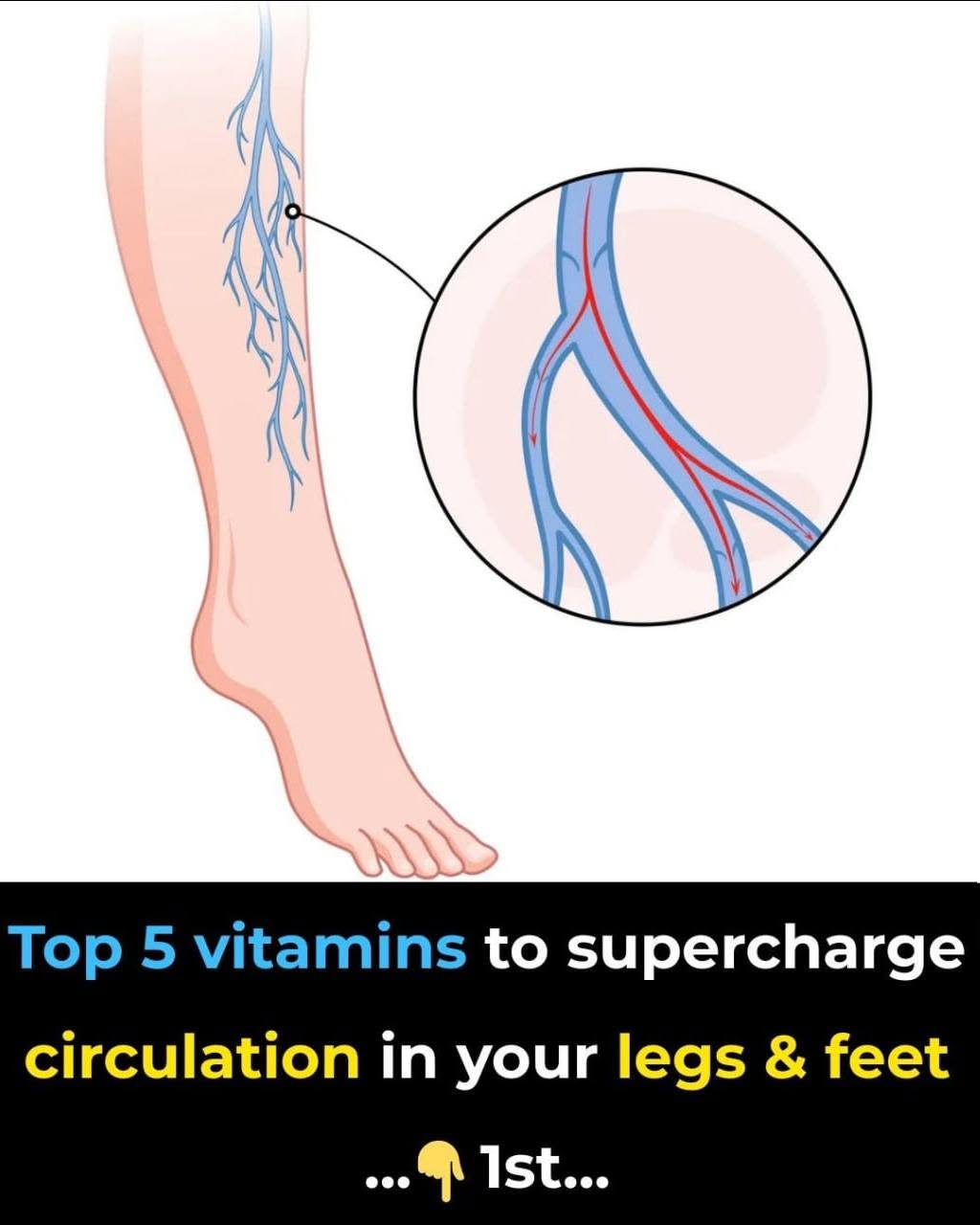
If you experience varicose veins, leg heaviness, aching, or visible blue veins, your circulation problem may stem from weak or damaged veins. When vein walls lose strength, blood pools in the lower legs instead of returning efficiently to the heart.
Horse Chestnut extract is a powerful herbal solution. Its active compound, aescin, has been shown in clinical studies to be as effective as compression stockings for improving venous circulation.
A standard dose of 300 mg daily can:
Improve vein tone and elasticity
Reduce leg swelling and fluid leakage
Support chronic venous insufficiency and DVT prevention
Other complementary herbs include butcher’s broom, grape seed extract, and maritime pine bark, which often work synergistically with Horse Chestnut.
5. Vitamin C Complex: Building and Protecting Blood Vessels
Healthy circulation depends on strong, flexible blood vessels—and that requires collagen. This is where Vitamin C, in its natural, full-spectrum form, becomes essential.
Most supplements contain isolated ascorbic acid, but whole-food Vitamin C complexes include bioflavonoids and cofactors that dramatically improve absorption and effectiveness.
Natural sources like camu camu and acerola cherry powder are among the richest Vitamin C sources on Earth. Just one tablespoon daily supports:
Collagen production for arteries and veins
Antioxidant protection against vessel damage
Reduced inflammation and capillary fragility
As an added benefit, this form of Vitamin C also supports immunity, skin elasticity, and joint health.
Final Thoughts: Restore Flow, Restore Vitality
Poor circulation in the legs and feet is not something you have to tolerate or accept as inevitable. Tingling, swelling, pain, and heaviness are signals—your body asking for support.
By using targeted nutrition such as Nattokinase, Niacin, phytonutrients, Horse Chestnut, and a true Vitamin C complex, you can actively improve blood flow, strengthen vessels, and reduce long-term risks. When combined with daily movement, proper hydration, stress management, and a whole-food diet, these strategies form a powerful, natural approach to circulatory health.
By restoring healthy blood flow, you’re not just improving your legs and feet—you’re revitalizing your entire body, one cell at a time.
Read more by clicking the (NEXT »») button below!