
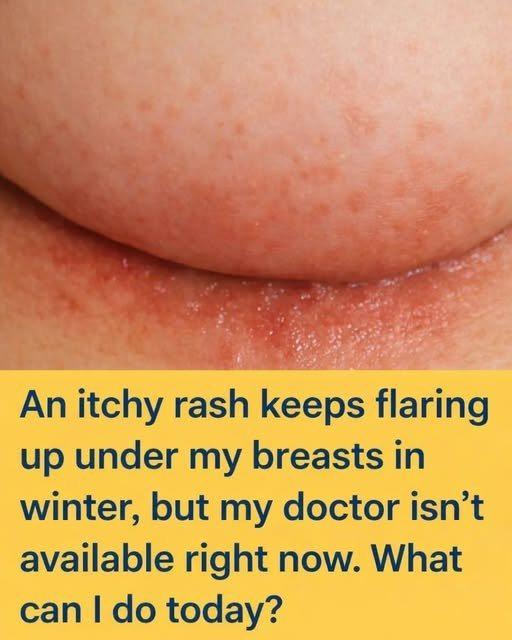
As winter settles in, many people notice changes in their skin that were not present during warmer months. Cold outdoor air, combined with dry indoor heating, steadily pulls moisture from the skin and weakens its natural protective barrier. This seasonal shift often leads to dryness, sensitivity, and irritation. One particularly uncomfortable issue that becomes more common during winter is an itchy or inflamed rash beneath the breasts.
The skin under the breasts is naturally more vulnerable than other areas of the body. It forms a warm fold where heat, moisture, and friction easily collect. During winter, layers of clothing, tight undergarments, and reduced airflow can worsen these conditions. When medical care is not immediately accessible, understanding how to calm irritation, support healing, and prevent progression becomes especially valuable. The following step-by-step guidance focuses on practical, gentle care that can help manage an under-breast rash during colder months.
1. Recognizing When a Winter Under-Breast Rash May Be Intertrigo
One of the most frequent causes of rashes in this area is intertrigo. This condition develops in skin folds where warmth, moisture, and friction interact. During winter, heavy fabrics and multiple clothing layers trap heat and perspiration, even when temperatures feel cold.
Common signs associated with intertrigo include redness, inflammation, itching, and a burning or stinging sensation. The skin may appear shiny, raw, or unusually smooth. In some cases, a mild musty or sour odor can be present. A key indicator is how the rash responds to moisture: symptoms often worsen with sweating and improve when the area remains dry and well-ventilated.
2. Identifying Warning Signs That Require Prompt Medical Attention
While many under-breast rashes are mild and manageable at home, certain symptoms signal the need for professional care. Severe pain, rapidly spreading redness beyond the skin fold, visible pus or fluid drainage, open sores, fever, chills, blisters, or darkened skin should not be ignored. These signs may indicate a bacterial infection or a more serious inflammatory process that requires prescription treatment.
Read more by clicking the (NEXT »») button below!
ADVERTISEMENT
ADVERTISEMENT
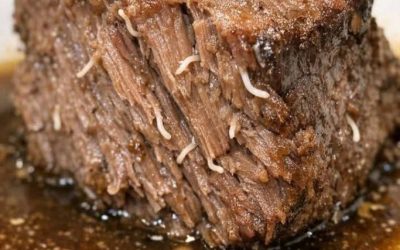
Pulled my beef roast out of the slow cooker and saw these weird white stringy things poking out of the meat. They look like little worms or parasites. Is the meat infested?
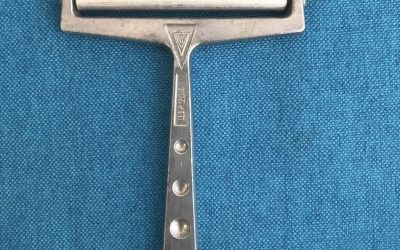
The entire internet searched for this and was unable to identify it. I have no idea what this is, and neither do 90% of others.
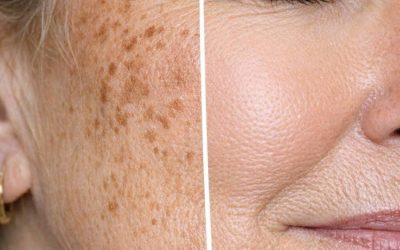
My sister taught me this trick to cover sun spots in just 5 mins with 0 effort. Here’s how it works

Which lady is rich? If you solve this correctly, your IQ level is higher than 98% of people

New Research Links Common Blood Pressure Drug to Increased Bleeding Risk
Today my daughter opened her favorite chocolate ice cream
